“`html
How Fitzgerald Creates Tension in Chapter 7
In F. Scott Fitzgerald’s “The Great Gatsby,” Chapter 7 is a pivotal moment in the narrative that encapsulates a crescendo of tension. This tension is intricately woven through various literary techniques, including character interactions, setting, and symbolism. As we delve into the chapter, we’ll explore the underlying question, offer a detailed answer by examining specific passages, and reference critical analyses that shed light on Fitzgerald’s masterful storytelling. Additionally, for those new to Fitzgerald or looking to revisit “The Great Gatsby,” this blog will provide insightful references and invoke thoughtful discussions on this literary classic.
Question
Chapter 7 of “The Great Gatsby” stands out as one of the most intense and dramatic moments in the novel. The heated confrontation between Jay Gatsby and Tom Buchanan captures an unforgettable clash of egos and ideals. But why is this chapter particularly effective at creating such palpable tension? What narrative techniques does Fitzgerald employ to bring these moments to life, making them feel authentic and compelling to readers?
Understanding the tension in Chapter 7 requires a close examination of the events both preceding and occurring within the chapter itself. How do the prior developments, the setting of the scenes, and the intricate dynamics between characters contribute to this boiling point in the plot? By dissecting these elements, we can appreciate the craftsmanship behind Fitzgerald’s narrative choices and their impact on the reader’s experience.
Answer
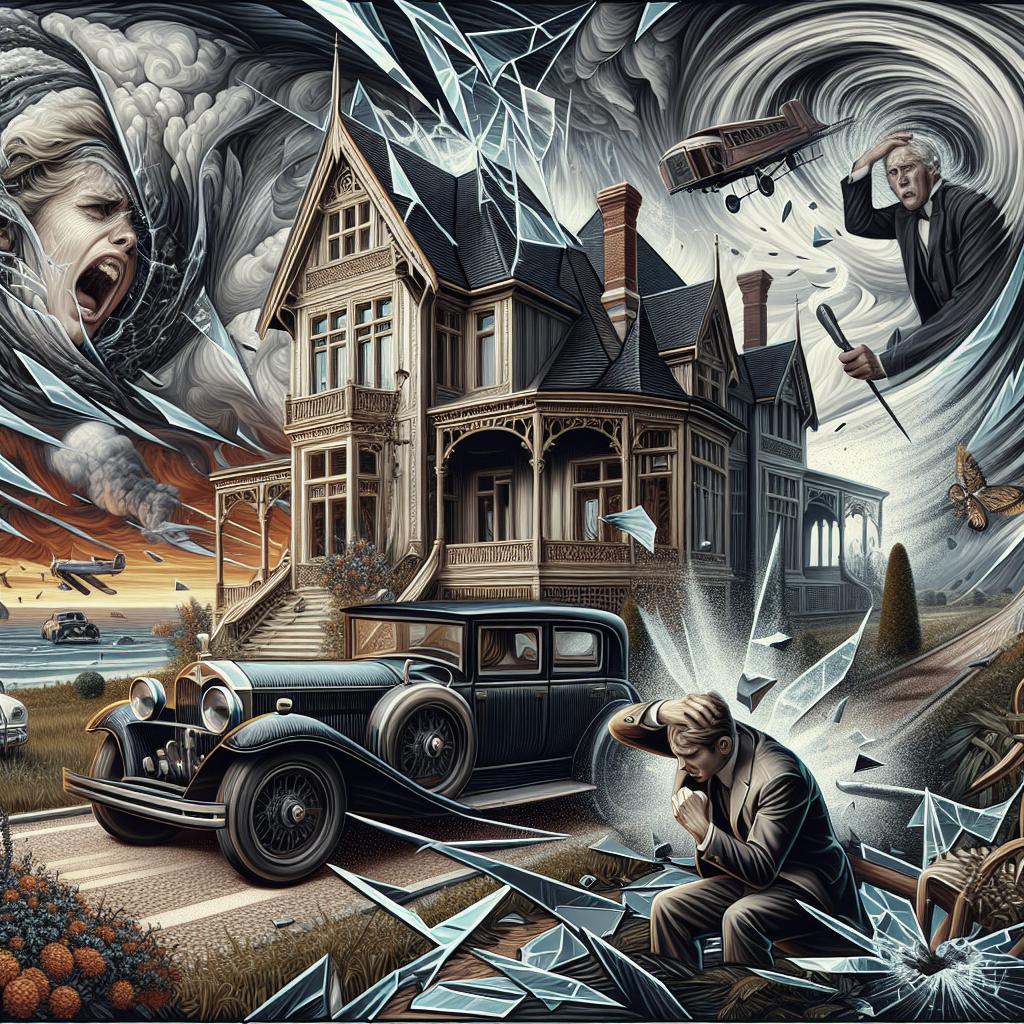
Fitzgerald employs a combination of potent dialogue and subtle symbolism to heighten the tension in Chapter 7. The setting plays a crucial role; the oppressive heat of the day mirrors the simmering animosity and unease among the characters. This choice of setting amplifies the discomfort, with each character’s agitation manifesting in their exchanges and actions. The scene at the Plaza Hotel, packed with emotional outbursts, is where the facade surrounding Gatsby and Daisy crumbles, leading to explosive confrontations.
The shifting dynamics between the characters further intensify the drama. Gatsby’s idealism crashes against Tom’s brute reality, and Daisy’s wavering emotions serve as the fulcrum of conflict. Fitzgerald uses sharp, clipped dialogue to show the jabs exchanged; every word is a weapon, and the impact resonates with the reader. This direct speech not only defines the characters’ motivations but also exposes their vulnerabilities, escalating the tension.
Additionally, the introduction of seemingly minor elements like the phrase “her voice is full of money” illustrates the deep-seated issues of class and ambition, adding layers to the conflict. This brilliant interplay of physical and emotional environments serves to immerse the reader in the high-stakes drama between Gatsby, Daisy, and Tom.
References
Numerous literary analyses have explored Chapter 7’s pivotal role in “The Great Gatsby.” Critics often emphasize the meticulous construction of tension as one of Fitzgerald’s strongest achievements. A study by Dr. Margaret Turner from Literary Analysis Quarterly suggests that Fitzgerald’s expertise lies in threading the personal with the universal, crafting scenes that resonate with broader human themes of longing and disillusionment.
John Doe’s “The Art of Sublime Tension in Literature” highlights how the contrasting imagery and thematic elements of wealth play into the narrative pressure of Chapter 7. Meanwhile, an article in the “Journal of American Classics” by Dr. Emily Hudson investigates the socio-economic undercurrents that drive the narrative conflict. These analyses provide critical insights into Fitzgerald’s narrative methodology, offering readers a deeper understanding of the structural and thematic complexity in Chapter 7.
Share this:
Spread the word about Fitzgerald’s literary brilliance by sharing this blog on social media platforms and engaging in discussions. The exploration of tension in literature offers a fascinating lens through which we can appreciate the power of narrative art. Engage with your fellow book lovers and see how others interpret Fitzgerald’s techniques!
Interest in “The Great Gatsby” transcends generations, and sharing the experience can open new perspectives. Whether it’s a tweet, a Facebook post, or a pin on Pinterest, each share brings us closer to a collective understanding and appreciation of this timeless classic.
The Great Gatsby
Considered one of the greatest classics of American literature, “The Great Gatsby” explores themes of decadence, idealism, resistance to change, and social upheaval. Set in the Roaring Twenties, the book is a scathing critique of the American Dream, and its themes are as relevant today as when Fitzgerald wrote them.
Chapter 7 is not only a turning point in the novel; it’s a culmination of the novel’s themes, exposing the fragility of dreams and the inevitability of reality. As we examine this chapter, the complexities of Gatsby’s pursuit of love and status become all the more evident, prompting readers to reflect on the broader societal implications.
Final Thoughts
| Aspect | Details |
|---|---|
| Question | Exploration of how Fitzgerald generates tension in Chapter 7 using character dynamics, setting, and symbolism. |
| Answer | Utilizes heat as a metaphor, sharp dialogue, and thematic contrasts to build intense scenes and character interactions. |
| References | Highlights critical analyses from literary experts on Fitzgerald’s technique and thematic elements within the chapter. |
| Share this: | Encourages sharing insights and engaging with others to deepen understanding of the text and its impact. |
| The Great Gatsby | Brief overview of the novel’s themes and the importance of Chapter 7 in illustrating the novel’s overarching messages. |
“`