“`html
Understanding Tablespoons and Teaspoons: A Comprehensive Guide
Have you ever found yourself in the kitchen, trying to convert tablespoons to teaspoons but unsure of how to accurately do so? You’re not alone. Many people are confused by the discrepancies in measurements, especially those who are new to cooking or baking. This blog post will explore these kitchen staples, diving into what exactly a tablespoon and a teaspoon are, and how to convert between the two. By the end, you’ll be well-prepared to tackle any recipe with confidence. Join me as we journey into the world of kitchen measurements and uncover the mysteries of tablespoons and teaspoons.
What Is a Tablespoon?
A tablespoon is a large spoon used as a unit of measure in cooking. It is significantly larger than a teaspoon, designed to measure larger quantities of ingredients. The size and capacity of a tablespoon can vary between countries. In the United States, 1 tablespoon equals approximately 15 milliliters or 0.5 fluid ounces. In the UK and Canada, however, a tablespoon is often measured as 20 milliliters. This disparity highlights the importance of knowing which type of tablespoon a recipe references.
Traditionally, a tablespoon uses serve two purposes: for eating purposes and for measuring out ingredients. When recipes require precision, particularly in baking, the tablespoon helps achieve consistent results. The slightly larger size of the tablespoon compared to a teaspoon prevents over-spilling, thus maintaining the proportionality of the ingredients used in your favorite dishes.
What Is a Teaspoon?
The teaspoon is another common measurement tool in the kitchen, often used to measure smaller amounts of ingredients like spices, extracts, and other liquid flavorings. Like the tablespoon, the actual volume a teaspoon can hold may vary depending on the country. In the U.S., a teaspoon is approximately 5 milliliters, whereas, in other countries, it can vary slightly.
Understanding the precise measurement of a teaspoon is critical, especially in cooking situations where a delicate balance of flavors is necessary. Inaccuracies in measurement can lead to significant differences in the final product, which is why precision is critical when using teaspoons. As every small amount contributes to the success and flavor of what you’re cooking, knowing how to correctly measure with a teaspoon ensures that your culinary creations turn out as desired.
How Many Teaspoons Are in a Tablespoon?
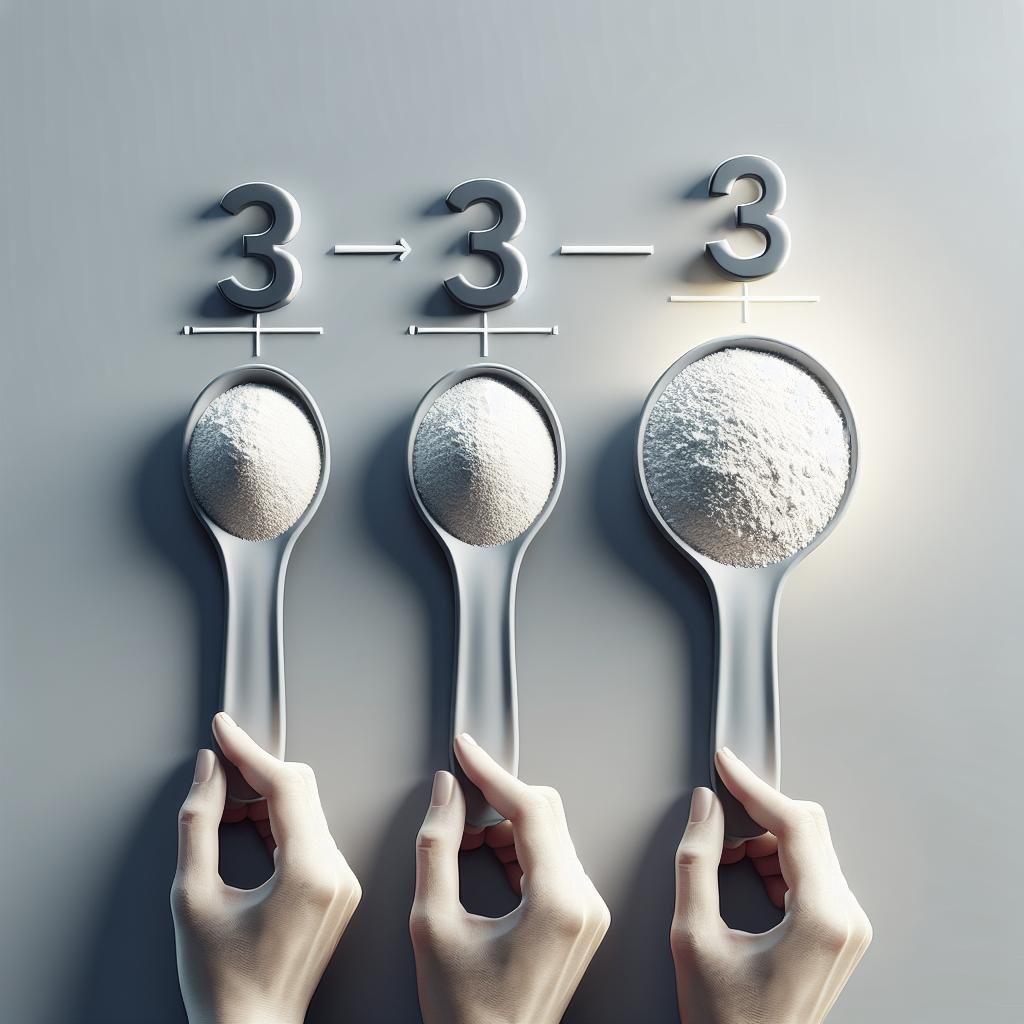
In the United States, the conversion between tablespoons and teaspoons is standardized to make 3 teaspoons equal to 1 tablespoon. This means that when you’re following recipes, you can either use a tablespoon or three separate teaspoons to measure the same quantity. This comes in handy particularly when you can’t locate one type of measuring tool and need to rely on the other.
For those using metric measurements, understanding this conversion can mean the difference between proper seasoning and an over-powering flavor. When in doubt, relying on this 3:1 ratio will ensure accuracy, whether you’re making a family dinner or preparing for a large event. Recognizing these relationships will make you a more versatile and confident chef in the kitchen.
How to Convert Tablespoons to Teaspoons
Converting tablespoons to teaspoons is relatively straightforward once you understand the underlying ratio. Remember, in the United States, 1 tablespoon equals 3 teaspoons. Therefore, if you have 3 tablespoons of an ingredient, you simply multiply by 3 to find the equivalent in teaspoons. Thus, 3 tablespoons would equal 9 teaspoons.
When dealing with recipes that require precision, especially in baking, it’s useful to double-check your conversions to maintain the integrity of the recipe. Failing to correctly convert measurements could result in a dish that is not up to expectation. Always keep kitchen conversion charts handy or save the formula if you’re concerned about making errors during the cooking process.
Cite As:
In academic terms or official documents, it’s important to properly cite the sources you refer, and measurements are no different. Citing measurements correctly ensures that anyone who reads your recipe or follows your instructions gets the same results every time. Use standard reference material or trusted resources to define and confirm the measurements you use.
When you reference measurements like tablespoons and teaspoons, your goal is clarity and precision. Miscommunication in culinary arts can lead to unexpected results, so thoroughness in citing sources and confirming measurements will make all the difference in your cooking, ensuring that every dish is crafted to perfection.
Summary of Main Points
| Concept | Definition/Conversion |
|---|---|
| Tablespoon | A large spoon used for measurement; in the U.S., 1 tablespoon = 15 ml |
| Teaspoon | A smaller spoon for measurement; in the U.S., 1 teaspoon = 5 ml |
| Conversion | 1 tablespoon = 3 teaspoons |
| 3 Tablespoons | Equals 9 teaspoons |
| Citing Measurements | Use standard references or trusted resources for accuracy |
“`